
What is Ayurveda?

Updated: Jul 11, 2025
Ayurveda, which means "knowledge of life" in Sanskrit, is an ancient Indian medical system that has been practiced for over 5,000 years. This holistic approach emphasizes the harmony of body, mind, and spirit, aiming for a balance that leads to a fulfilling and healthy life. Recognized as one of the oldest forms of healthcare in the world, Ayurveda combines practical healing techniques with profound philosophies that continue to be relevant today.
Ayurveda is more than just a healing method; it represents a complete lifestyle. By understanding one's unique constitution, known as Doshas, individuals can learn how to maintain balance through diet, lifestyle choices, and certain therapies like massages.
The Foundations of Ayurveda

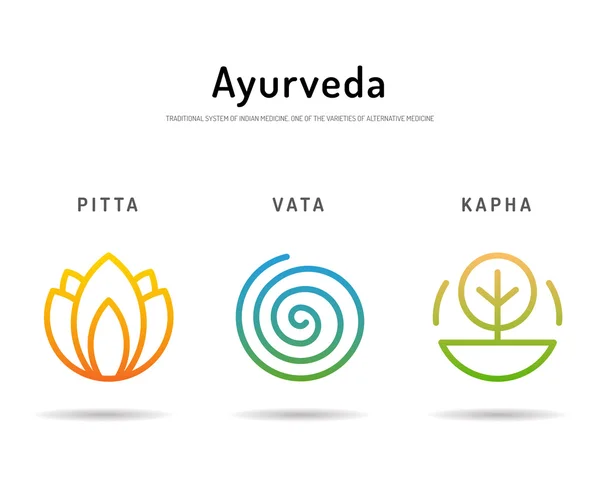
Ayurveda is based on the five great elements: earth, water, fire, air, and ether. These elements combine to create three primary energies or Doshas:
Vata (air and ether): This dosha is related to movement and plays a role in body functions such as breathing, circulation, and communication.
Pitta (fire and water): Associated with transformation, Pitta is responsible for digestion, metabolism, and energy production.
Kapha (water and earth): This dosha is vital for structure and lubrication, influencing stability, growth, and immunity.
Understanding your dominant dosha can give you insights into your physical tendencies, emotional responses, and the best lifestyle choices suited to your nature. For example, a Vata person may have a propensity for anxiety and may benefit from grounding practices like yoga and warm foods.
How Ayurveda Works
At the heart of Ayurveda is the principle of balance. Good health arises when your doshas are in harmony, while an imbalance can lead to physical ailments or emotional struggles. Research indicates that about 80% of chronic diseases are linked to lifestyle choices, highlighting how Ayurveda's focus on balance can be beneficial.
To restore this balance, Ayurveda offers several strategies:
Diet: Foods are categorised by their energetic qualities. For example, a Pitta-dominant person should incorporate cooling foods like cucumbers and leafy greens to counteract their fiery nature.
Herbal Remedies: Ayurvedic herbal solutions are tailored to individual needs. For instance, turmeric is often used for its anti-inflammatory properties.
Lifestyle Practices: Daily routines, including adequate sleep, regular exercise, and mindfulness, are crucial. Individuals with a Kapha constitution, for instance, may do well with stimulating activities to counteract potential lethargy.
Mindfulness and Meditation: The mental focus in Ayurveda is paramount, providing tools for mental clarity and emotional stability. For example, studies show that mindfulness meditation can reduce anxiety by up to 30%.
The Role of Diet in Ayurveda
Diet is one of the most vital aspects of Ayurveda. Unlike one-size-fits-all diets, Ayurveda tailors nutrition to meet an individual’s dosha needs.
For instance:
A person with a Pitta dosha may thrive on cooling foods such as melons and coconut to regulate their internal heat.
Conversely, a Vata individual might benefit from nourishing meals with warm spices, such as ginger and turmeric, enhancing their digestion and energy levels.
Awareness of food combinations and Tastes also plays a key role. Specific foods can interact differently in the body, impacting overall health. Eating foods that naturally complement each other can lead to better digestion and nutrient absorption.
Ayurvedic Treatments
Ayurveda includes numerous therapies designed to detoxify and rejuvenate the body. For example a full-body massage done by self or by a proffesional using warm oils aligned with individual doshas, enhancing relaxation and circulation while reducing stress and muscle tension. Oil pulling, Nasya-putting oil through the nostrils.
These treatments are not just about alleviating symptoms; they promote lasting health and well-being.
Modern Ayurveda
Recently, Ayurveda has gained widespread popularity globally, often integrated into wellness programs, health retreats, and yoga studios. The increased focus on holistic health approaches means more practitioners blend Ayurvedic principles with modern medical practices. A study by the National Center for Complementary and Integrative Health found that 2 out of 5 Americans seek alternative therapies, with Ayurveda being among the top choices.
However, consulting qualified practitioners is vital to ensure safe and appropriate Ayurvedic treatments. Much like any healthcare system, Ayurveda has its limitations and should be approached with care and informed guidance.
Your Path to Wellness with Ayurveda
Ayurveda provides a comprehensive approach to health by emphasising balance within the body, mind, and spirit. By learning about your dosha and incorporating Ayurvedic practices, like personalised diets and holistic therapies, you can find practical tools for better health in today's fast-paced environment.
If you are interested in exploring Ayurveda, consider starting with small lifestyle adjustments or dietary changes. You might also seek guidance from us. As you explore, you may discover a deep connection between this ancient wisdom and your own health journey.
For those ready to enhance their well-being and embrace a holistic understanding of health, Ayurveda offers a versatile pathway. See how its principles resonate with your life and contribute to your overall well-being.

Comments